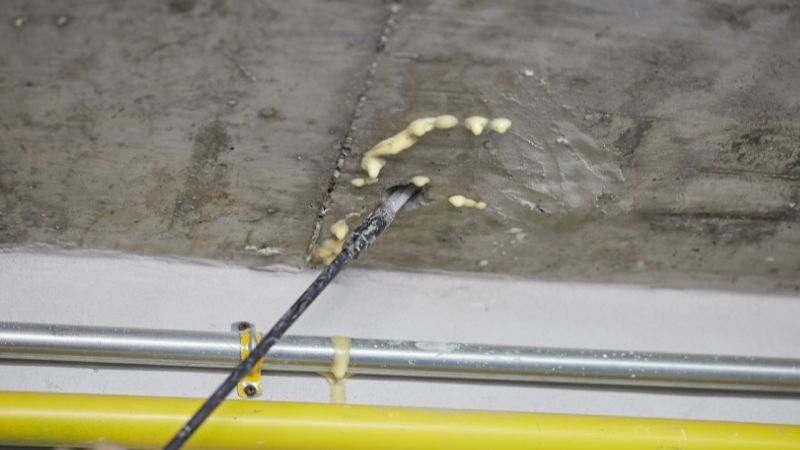
How To Fix Or Repair Cracked Concrete?

Concrete is known to last hundreds of years; however, it will start to develop small holes, cracks, gaps, and crevices sooner or later. If your concrete structure, path, driveway, or patio starts showing its age, you must make concrete repairs as soon as possible. After all, today's minor issue may turn into a significant problem that may need more money to repair. Start By Selecting Your Repair Product. You cannot...

How to Repair Concrete Cracks with Crack Injections?

Before using an epoxy sealer, you must ensure your crack is dry. If you notice that the crack is slightly damp, you must dry it using a blow-dryer and wait 15 minutes. Once done, you can proceed with your repair. Nevertheless, if the dampness returns, it suggests that water is still seeping inside the crack, and you must wait for it to dry out on its own. Scrub the crack...

4 Impressive Benefits of Epoxy Injections

All waterproofing contractors believe that no matter how small a crack is, it can significantly impact the foundation of your concrete surface. However, there is one way you can fight any cracks on concrete – by using epoxy injection. When you hire a professional contractor, they will use innovative techniques to properly seal any unsightly and potentially disastrous foundation cracks in no time. Below are a few critical benefits of...

How Can You Stop A Crack From Leaking?

As the property owner or manager, you must carry out a concrete repair when you find a water leak in the structure. Moisture leaking into concrete retaining structures, such as basements, tend to cause extensive damage to the property. It threatens the overall integrity of the wall and its foundation. Besides, it also affects the surroundings, promoting the growth of mold spores. Several different products can help you prevent water...

How Long Does Epoxy Injection Last?

Epoxy injection is a great way to treat concrete cracks in basements, foundations, beams, slabs, columns, walls, and other structures. Injection of epoxy under pressure can bond any cracks with an opening greater than or equal to 0.05mm. This method, however, is not applicable if the crack is active, if they are large in number, or if the water leakage is uncontrollable. If you do not fix the primary cause...

What Is The Difference Between Epoxy And Polyurethane In Concrete Crack Injection?

There are many reasons your foundation walls may develop cracks and water damage issues. It can be the shifting of earth that causes your property to move or settle rock pockets in the walls that let water enter your basement over time. No matter the reason, one thing is clear: cracks on the outside or inside your foundation can be a significant issue if left untreated. However, we have noticed...

Repairing Concrete Cracks Using Epoxy and Polyurethane Injection Resins

Concrete based on hydraulic binders like Portland cement tends to have a common tendency to crack. There are several different types of concrete crack and numerous reasons it may occur. Your concrete structure may develop cracks over time because of shrinkage in plastic and the hardened stage. There are times when these cracks are small and can be treated on the surface. However, if these cracks penetrate deeper than the...

Request Booking Request A Quote